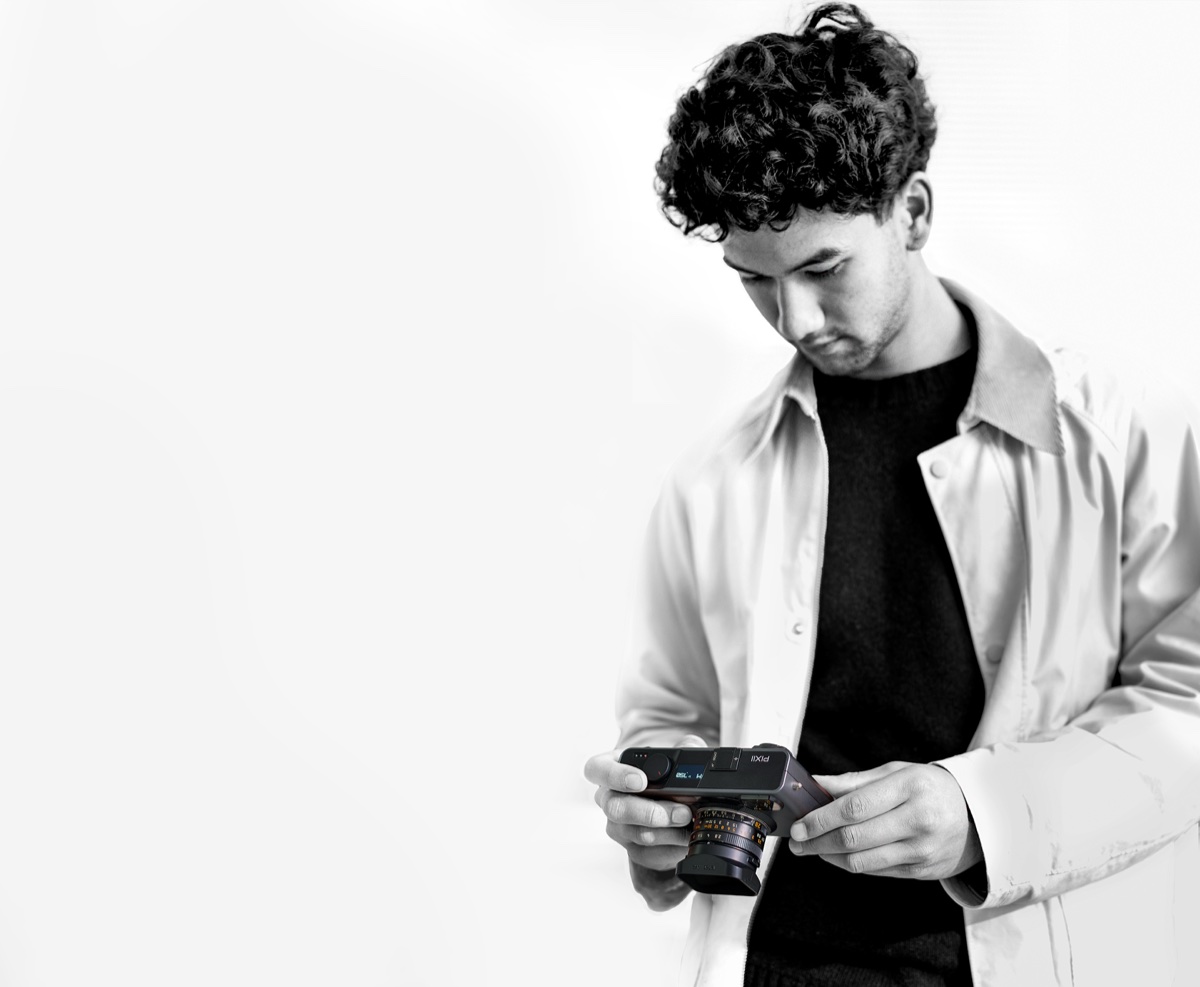
For this In Focus, my answer to a question we get a lot: which one is the Monochrome Pixii camera? |
The only camera of its kind. |
The direct answer: Pixii is a monochrome camera — and so is every other Pixii. Every camera we ship can record a real black-and-white negative, a true DNG. Yet there is no dedicated monochrome-only model; don't look for one in our store. That is what makes Pixii singular — the only camera on the market that turns a color sensor into a true black-and-white camera. Not a look, nor a preset. Every Pixii lets the photographer choose, and switch to a genuine monochrome negative, when they see fit. |
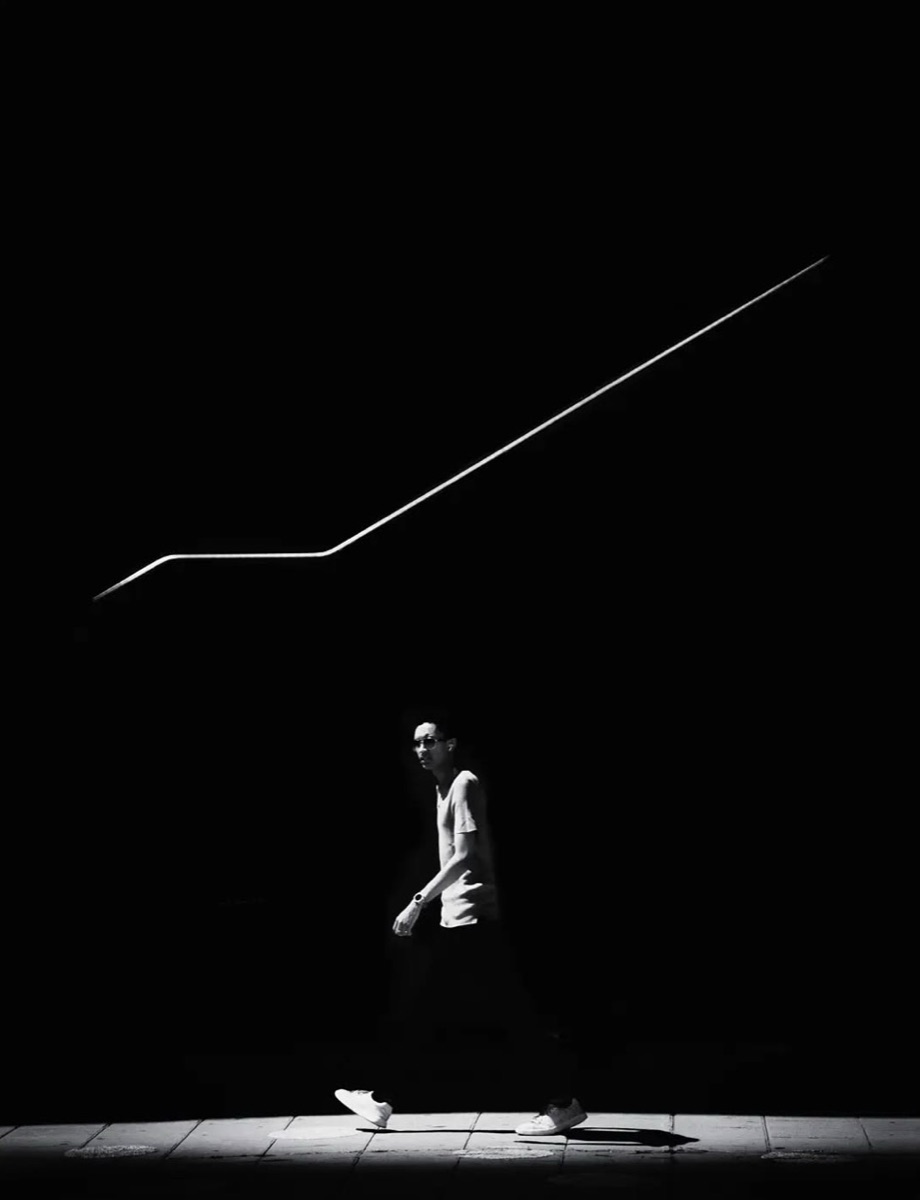
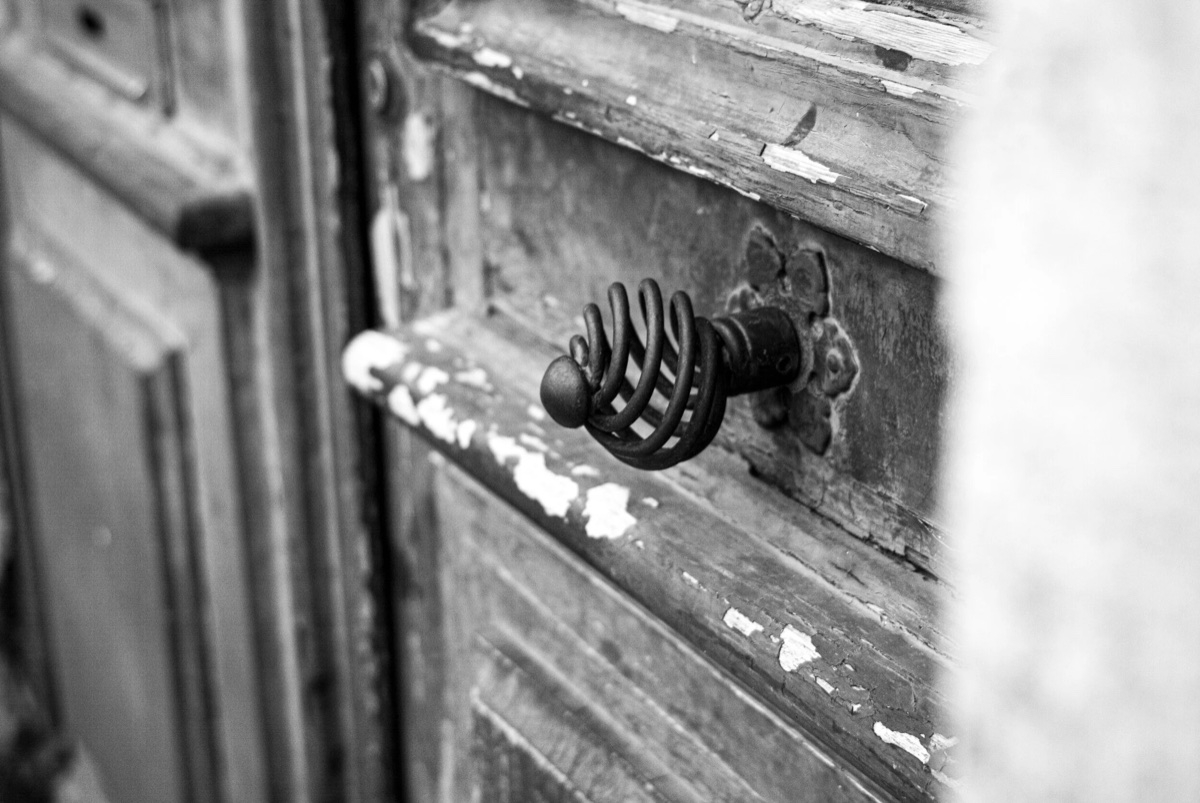
Monochrome on Pixii is a decision you make before you press the shutter. Switch it on and you stop seeing color — you start seeing light, shadow and form. It is, to me, the purest form of photography: painting with light. Photographers tell us it changes the way they look at the world. That is the whole point. |
"Why are you even doing that?" you may ask. Honestly? It all started during development, as an engineering tool — my own way of looking at the raw pixel values. I was building our image signal processor (ISP) from scratch, and being able to get rid of the Bayer checkerboard made all the difference. I left it as an option in a menu. A friend found it and loved it. Then another one did — and soon it became a hit with the test photographers we showed the camera to — an accidental setting, now Pixii's most loved feature. |
Building that ISP made it simply obvious: sensors are born monochrome. A pixel only counts light — color is not its concern. The Bayer filter is the only real difference between a color camera and a black-and-white one. Once you have the exact spectral response of your filter, pixel by pixel, the math can run two ways. Forward, to reconstruct color — what every camera does. Or backward, to reconstruct the light itself. Our method for that second path is now patented: rebuilding the sensor's native response into a standard DNG. The formula for a true black-and-white negative. |
This one really speaks to photographers — you'll know it from your own work. What Monochrome mode offers is an image you can truly develop. Not a JPEG whose tonal range is already fixed and limited, but a full-dynamic DNG — a real RAW file, up to 16 bits deep, in a standard, open format. The whole editing process stays in your hands. Open it in Lightroom or Camera Raw and develop it to your taste — every tone, every highlight, every shadow, yours to work. Pixii adds a natural, film-like tone curve so it looks great straight away — yet the RAW stays untouched, free for you to develop your own way. |
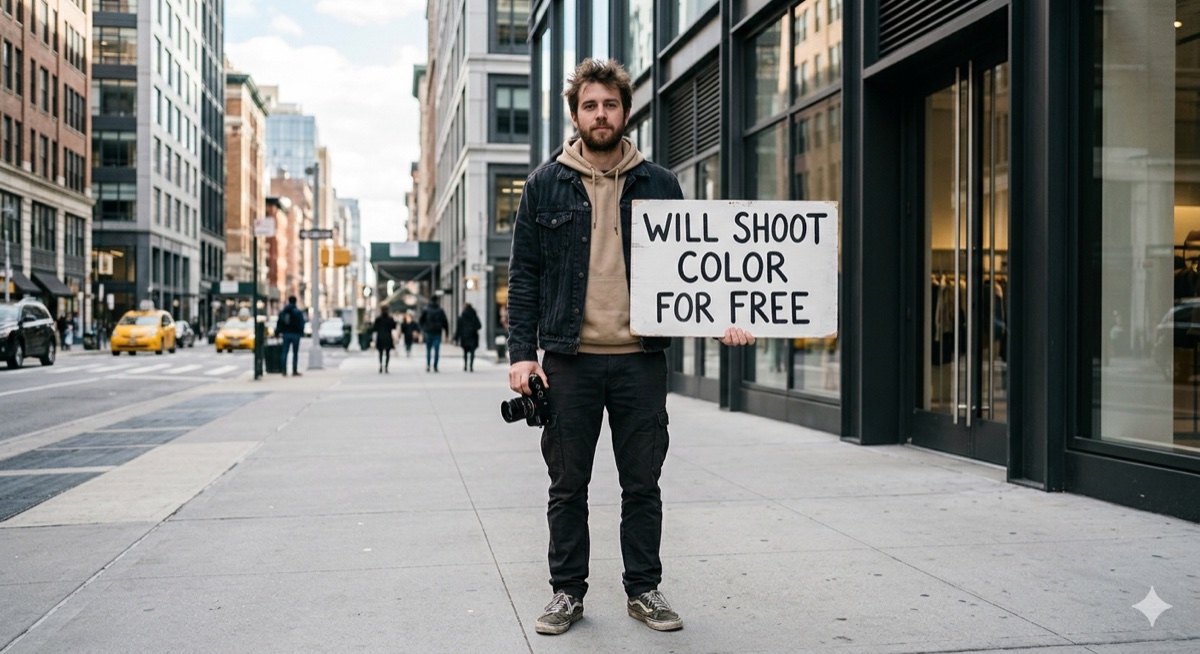
The best part? You have the choice. Until now, photographers had to either give up color entirely, or buy a second, expensive body just for their black-and-white work. With Pixii, there's no bank to break. The very same camera will shoot color for free. A camera just for black and white: thousands.
A color one to set beside it: thousands more.
Doing both, with a single Pixii: priceless. |
Monochrome Pixii Your choice, your decision.Pixii Max and Pixii+ are the best cameras to live with monochrome — and every software update we ship, the moment it lands. |
Explore your vision of the world. It's waiting for you. |
Thank you for reading. Until next time. — David & the Pixii team |
|
|